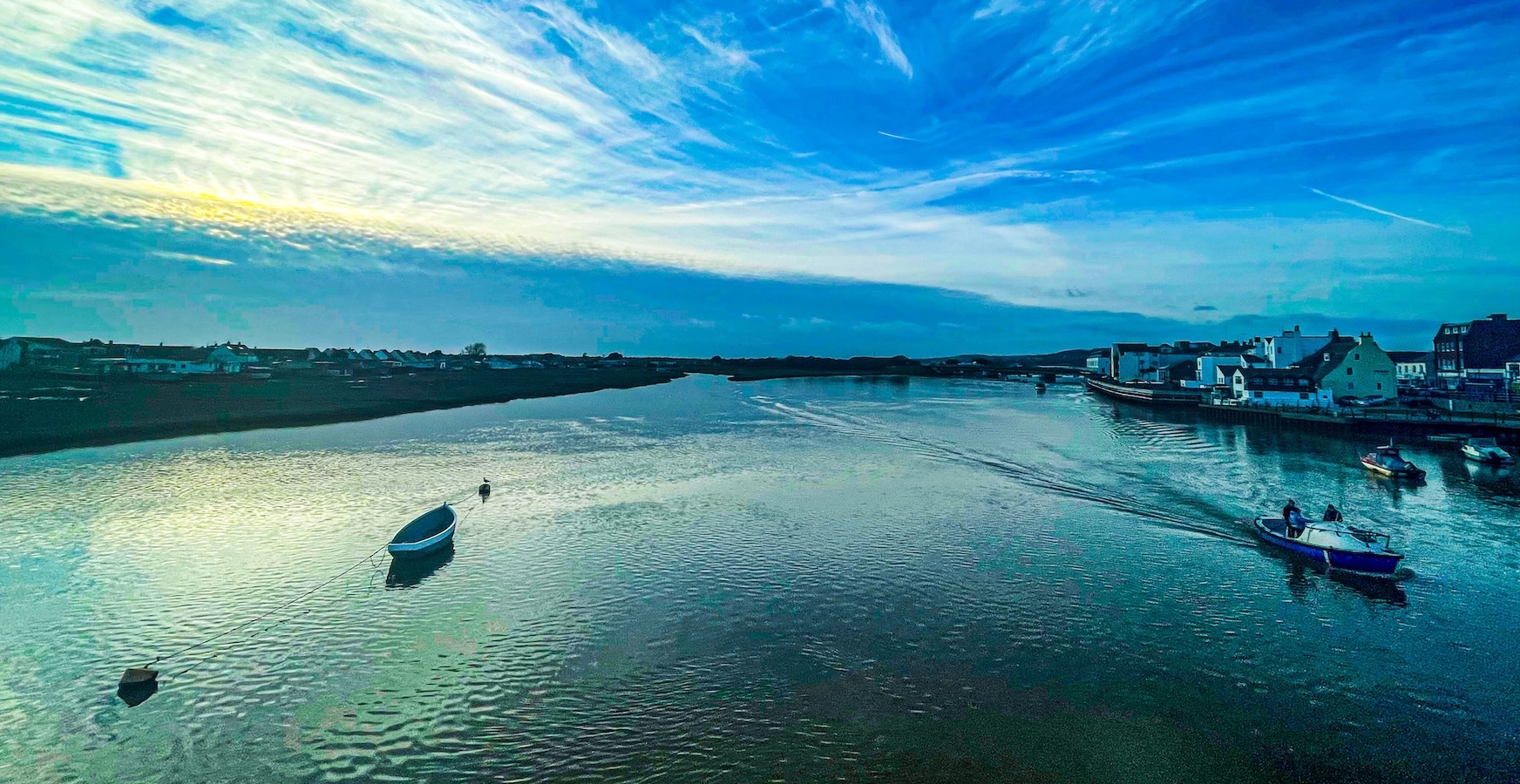
The Shoreham Society was formed in response to concerns over the lack of meaningful planning control in the town. Since then, and in response to members’ concerns about the climate, environment, transport and social cohesion, the Society has evolved to focus on the themes we have today.
Bringing People Together
Shoreham is a reflection of wider society. In the past its numerous pubs were packed with people spreading information and debating. Times have changed, with half those pubs gone and individuals posting diametrically opposed views on social media – at least the fights are now verbal and not physical. Services for young people have changed too. Who remembers the Adur Leisure Mobile, the Monday Night Disco at the Shoreham Centre, and the BMX track on the Adur Rec?
But the people of Shoreham have found new ways to come together, to share common interests for their enjoyment or to effect change. There are dozens of groups and societies that now exist for Shoreham’s residents who enjoy volunteering, cycling, making, the spoken word, art, the environment, heritage, nature … the list goes on. The people of Shoreham also come together routinely at the East Street markets and various festivals, and for campaigns – like the successful one to save the Poplar tree on Brighton Road.
It is these events, probably more than Facebook et al, that are helping to preserve and grow a sense of belonging and community spirit. This is why the Shoreham Society actively promotes awareness of groups and their activities.
In 40 years will we see a shift away from social media, as people reembrace the value of face-to-face engagement?
Getting Around in Shoreham
In the 1980s the term ‘electric vehicle’ was the sole reserve of the Sinclair C5, cycling around town was the preserve of a handful of commuting school children, buses had conductors and many open tops in the summer (buses, not the conductors), and walking wasn’t generally considered a leisure pursuit.
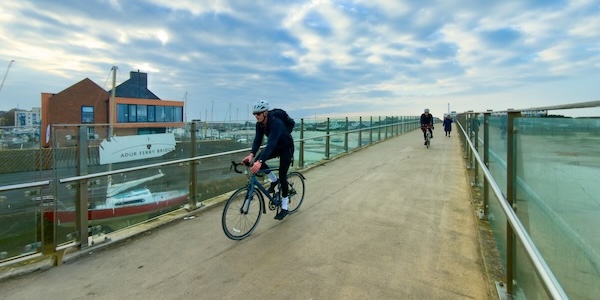
Improvements in the first two – electric cars and cycling take-up – cannot be totally attributed to local conditions. Shoreham does not have an abundance of public charging points or miles of cycle lanes. People are turning to electric cars for reasons like lower running costs and environmental concerns; and cycling for improved health, cost-of-living pressures, and the rising popularity of electric bikes. In the future it is very likely that most cars will be electric, but will it be any easier to cycle around Shoreham?
Nowadays many people walk for pleasure, and this has been made easier along the river, the shoreline, and to or from the town centre and beach. In 40 years time will the boardwalk have been widened and extended to Widewater, or all town centre pavements made even?
A Vibrant Town Centre
40 years ago the town centre was vibrant with a good range of practical shops, more pubs and its principal supermarket (Key Markets, then Gateway). With the advent of East Street pedestrianisation many assumed it would negatively impact trade – people no longer being able to park outside their favourite shops.
But to the contrary, pedestrianisation has reinvigorated the area and drawn people to visit and settle in Shoreham. Councils have done much to make the town centre more appealing with plants, benches, cycle racks, markets, special events and the occasional busker on sunny days.
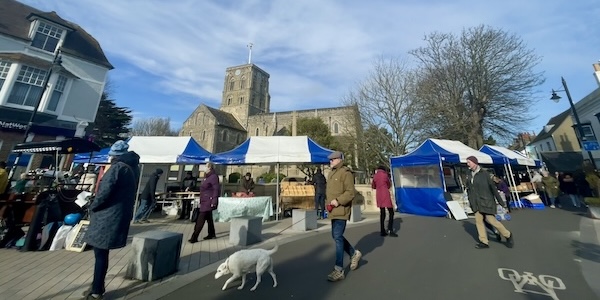
Independent retailers should also take credit for creating an environment people want to spend time in. These are tough economic times, both in terms of people’s disposable income and retail margins, and the town’s vibrancy is once again challenged. The ebb and flow of the town centre will, as in previous times, largely mirror the broader economy. But its survival will also depend on residents doing their part, by making the choice, whenever possible, to spend locally.
Having a Local Say
Since its beginning, the Shoreham Society has engaged authorities to influence them or campaign head-on when needed. It has been a constant voice against a back drop of revolving councillors, emerging and disappearing political parties and pending local council restructuring. Its various publications, website, social media, and talks have helped educate and promote awareness.
But having a local say is more than this, it is about the people being listened to – raising written objections to development plans, speaking with councillors at the East Street market, joining one of the many local groups to add voice and weight. However much technologies evolve in the next 40 years, nothing is likely to replace the impact of direct dialogue.
Loving Where we Live
Our environment has always been important to the Shoreham Society, but now the environment is a significant concern for everyone. Locally we have seen the storm of 1987 decimate trees, beach shingle being continually replenished, a flood wall built, diminished wildlife diversity, increased air pollution, decreased water quality, overdevelopment …
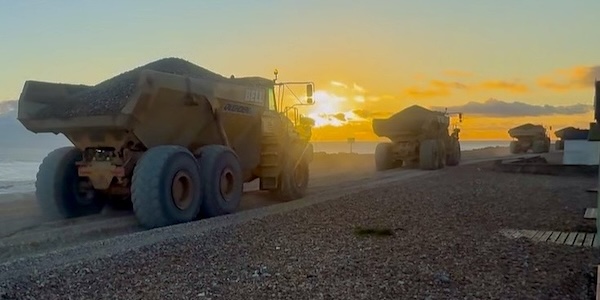
Many aspects of our environment were unquestionable constants, reassuring us as other aspects of our lives changed. This is no longer true, and our inability to address this internationally or nationally is worrying, so it is now imperative that we all take responsibility for the things we can in our local environment.
Shoreham will continue to change over the next 40 years – that is certain – but what is uncertain is the form that will take and the ramifications for its residents.
This story first appeared in the May 2026 edition of The Journal of the Shoreham Society and also as a two part article in the July and August editions of Inside Shoreham & Southwick magazine.